
History of the Roman Stadium in Plovdiv: 2025 Guide
Explore the rich history of the Roman Stadium in Plovdiv. Learn about ancient games and find the best views for your 2025 Bulgaria trip today.
On this page
The history of the Roman Stadium in Plovdiv begins during the second century under the rule of Emperor Hadrian. This incredible site once held thousands of spectators who cheered for their favorite athletes during various competitive sports events. Today, the ruins remain preserved beneath the bustling main pedestrian street of this ancient Bulgarian city for everyone to see. Walking through the city center allows you to witness the impressive scale of this ancient architectural masterpiece from above.
Plovdiv is often called the oldest continuously inhabited city in Europe because of its layered and complex historical remains. The Roman Stadium stands as a primary symbol of this long heritage and the power of ancient Philippopolis. You can easily access the visible northern part of the stadium while exploring the vibrant shops and local cafes nearby. Most of the structure still lies hidden under the modern buildings that line the popular pedestrian walkway of Plovdiv.
Ancient Origins and Early Construction
The construction of this massive stadium took place during the peak of the Roman Empire in the second century. Emperor Hadrian commissioned the project to celebrate the city’s status as a provincial capital within the vast empire. Workers used large white marble blocks to build the seating rows which could accommodate up to thirty thousand people. This structure served as a central hub for social life and public entertainment for the citizens of Philippopolis.
Archaeologists believe the stadium was approximately 240 meters long and 50 meters wide during its period of full use. Its dimensions reflect the standard measurements for stadiums built across the empire during that specific golden era of architecture. The site was strategically placed between two of the seven hills that define the unique landscape of modern Plovdiv. This location allowed for natural slopes to support the massive weight of the heavy marble seating and the crowds.
The stadium remained in active use for several centuries before the decline of the empire changed the city's urban layout. During the late fourth century, the introduction of Christianity led to a decline in traditional Roman athletic competitions and games. Portions of the marble were eventually repurposed for other construction projects as the city continued to evolve and grow. Despite these changes, the foundations remained intact deep underground for many hundreds of years until their eventual modern rediscovery.
Early excavations in the 20th century revealed the true scale of the site to the people of Plovdiv and Bulgaria. Researchers were amazed to find the northern curve of the stadium in such excellent condition after nearly two millennia. This discovery allowed historians to piece together the daily lives of the ancient residents who once gathered here often. The stadium now serves as an essential link between the ancient world and the modern identity of Plovdiv today.
Design and Architectural Marvels
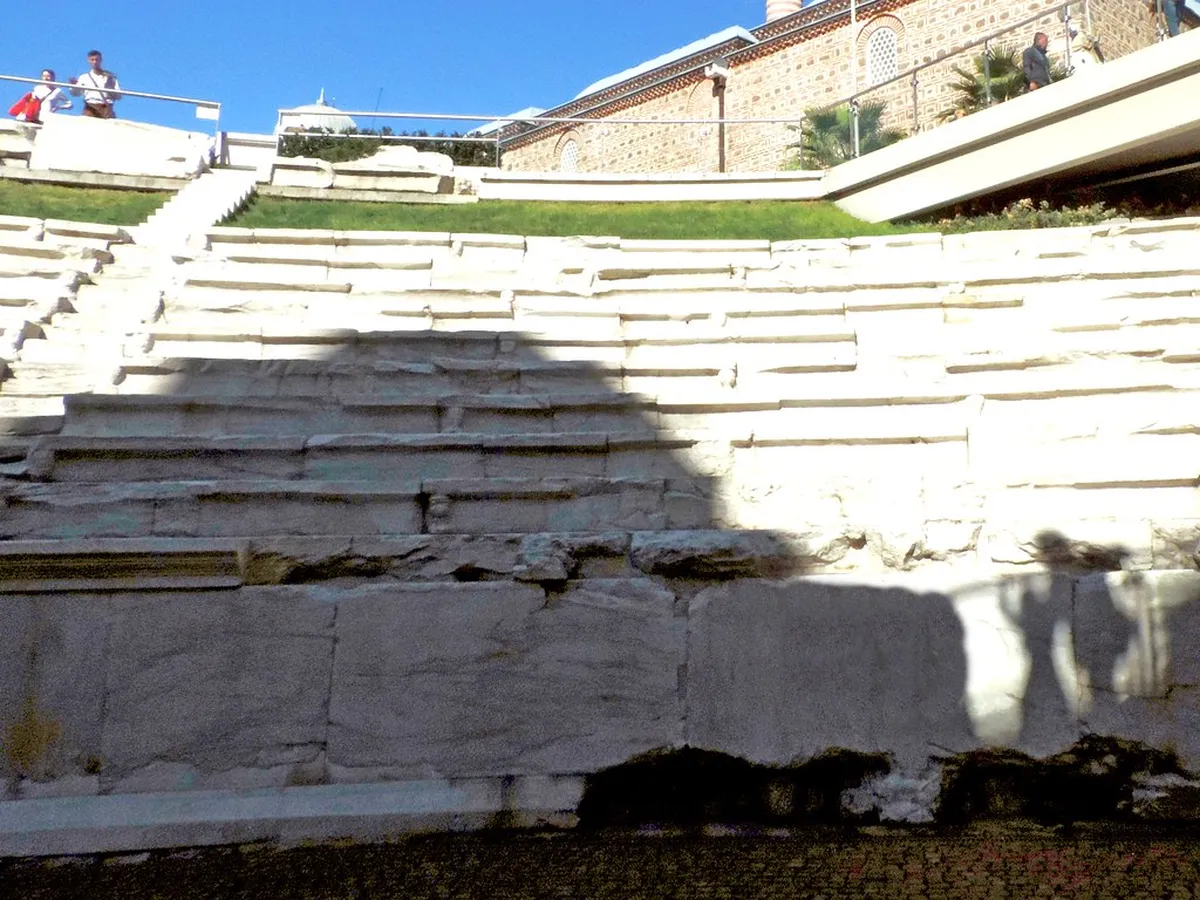
The design of the stadium features a classic U-shape with a rounded northern end that faces the ancient city hills. Each row of seats was meticulously carved from local marble to ensure durability and a sense of imperial grandeur. Engineers included a sophisticated drainage system to manage rainwater and keep the track area dry during the rainy seasons. You can still see the intricate carvings and inscriptions on some of the remaining marble seats at the site.
The cavea, or seating area, consisted of 28 rows of marble seats which were divided into several different sections. Special seats were reserved for high-ranking officials and prestigious guests who attended the most important athletic events and games. These VIP areas were located near the track to provide the best possible views of the competing ancient athletes. Access to the seating rows was managed through a system of vaulted entrances called vomitoria for efficient crowd control.
- Marble Seating: Durable white marble was used for all twenty-eight rows of spectator seats.
- Track Dimensions: The track was wide enough for several chariots to race simultaneously during the ancient games.
- Propylaea: A grand entrance featured impressive columns that welcomed visitors to the northern part of the stadium.
- Underground Vaults: Hidden passages allowed athletes and performers to enter the arena without passing through the main crowds.
Architects designed the stadium to be both beautiful and functional for the large crowds that gathered for major local events. The acoustics were so well-planned that speakers could be heard from the track by people sitting in the rows. This level of engineering shows the advanced skills of the Roman builders who shaped the landscape of ancient Plovdiv. Many of these architectural elements have been carefully restored to help modern visitors visualize the stadium’s former glory and size.
The Pythian Games of Philippopolis
The Roman Stadium was the primary venue for the Pythian Games which were held every four years in ancient Philippopolis. These games were modeled after the famous competitions in Greece and attracted participants from all over the Roman Empire. Athletes competed in various disciplines including running, long jump, discus throw, and wrestling to win prestigious olive leaf crowns. These events were massive cultural celebrations that brought together people from different backgrounds and classes within the Roman province.
In addition to athletic competitions, the stadium also hosted musical and theatrical performances during the major city festivals and holidays. Poets and musicians would perform their latest works to entertain the thousands of guests who filled the marble seating areas. These artistic events were just as popular as the physical contests and helped promote the culture of the empire. The games played a vital role in maintaining social order and fostering a sense of community among the citizens.
Gladiatorial fights occasionally took place within the stadium walls during specific periods of Roman rule in the ancient city center. While less frequent than athletic games, these spectacles drew massive crowds who were eager for excitement and dramatic public displays. Evidence of these events has been found in the form of local inscriptions and historical records from that era. The versatility of the stadium made it the most important public space in Philippopolis for several centuries of use.
Winning an event at the Plovdiv stadium was a significant achievement that brought fame and wealth to the successful athletes. Champions were often honored with statues or inscriptions that commemorated their physical prowess and dedication to the ancient sporting arts. These stories of triumph helped inspire future generations of athletes to train hard and compete in the legendary arena. The legacy of these games continues to fascinate historians who study the social dynamics of the Roman Balkan provinces.
Modern Excavation and Tourism in 2025
Visiting the Roman Stadium in 2025 offers a unique experience where ancient history meets the modern pace of city life. The site has been renovated with modern walkways and an information center to provide a better experience for tourists. You can watch a 3D movie at the visitor center that recreates the stadium as it appeared during antiquity. This visual aid helps bridge the gap between the ruins we see today and the original massive marble structure.
The ongoing preservation efforts ensure that the marble remains protected from the elements while staying accessible to the public daily. Local authorities have integrated the ruins into the urban environment by creating a sunken plaza that everyone can visit easily. This space often hosts modern cultural events, concerts, and exhibitions that continue the tradition of public gathering in Plovdiv. It is a wonderful place to sit and enjoy the atmosphere of the city while surrounded by ancient history.
Most visitors start their journey at the northern end where the most impressive parts of the stadium are currently visible. You can walk down to the track level to see the massive walls and the original marble blocks up close. There are several educational panels located around the site that explain the historical significance of each visible architectural feature. Admission to the open-air parts of the stadium remains free for all visitors exploring the city center on foot.
The stadium is located right next to the historic Dzhumaya Mosque which represents another important era of Plovdiv's long history. This proximity of different historical layers makes the area one of the most interesting spots for photography and exploration. Guided tours are available for those who want to learn more detailed facts about the excavation process and findings. Many people enjoy grabbing a coffee at a nearby cafe while looking down into the ancient heart of the city.
Viewpoints near Roman Stadium
Finding the best viewpoints near Roman Stadium is essential for capturing the perfect photo of this ancient marble landmark in Plovdiv. The best vantage point is located right at the street level overlooking the northern curve of the athletic track. From here, you can see the depth of the excavation and the surrounding modern architecture that frames the site. This contrast highlights how Plovdiv has grown around its ancient treasures while keeping them part of the daily life.
Another excellent spot for a view is the terrace of the Dzhumaya Mosque which sits directly adjacent to the stadium. This perspective allows you to look down into the ruins from a slightly elevated position while seeing the mosque. You will find that overlooking the Roman Stadium from the nearby cafes provides a relaxing way to enjoy the historical scenery. Many of these establishments offer outdoor seating that faces the ruins, making them perfect for a quick lunch or break.
If you walk a short distance to the Old Town, you can find even higher perspectives of the city center. While the stadium itself might be hidden by buildings from those heights, you can still sense the urban layout. The hills surrounding the center provide the most dramatic panoramas of the entire valley where Philippopolis was once founded. Taking a short hike up Sahat Tepe or Nebet Tepe will reward you with views of the entire city skyline.
Photographers often prefer the golden hour in the late afternoon to capture the white marble of the stadium in soft light. The shadows created by the surrounding buildings add depth to the photos and highlight the textures of the stone. Visiting during the evening is also recommended because the ruins are beautifully illuminated with modern spotlights for a dramatic effect. This allows for a completely different visual experience compared to visiting the site during the bright daylight hours of 2025.
Practical Tips for Your Visit
Plan to spend at least one hour exploring the stadium and the accompanying visitor center during your trip to Plovdiv. The information center is open daily and provides affordable tickets for the 3D cinema experience which is highly recommended. Wear comfortable walking shoes because the pedestrian street is paved with stones that can be uneven in some areas. There are many public benches around the stadium where you can sit and take in the massive scale of the site.
The stadium is located in the heart of the pedestrian zone which means you cannot reach it by car directly. Most visitors arrive on foot after parking their vehicles in one of the nearby public parking lots or city garages. Access is very easy from any part of the city center and the site is well-marked with many signs. You can combine your visit with a trip to the nearby Ancient Theatre and the charming streets of Kapana.
During the summer months, the marble can reflect a lot of heat and the sun can be quite strong here. It is best to visit early in the morning or later in the afternoon to avoid the most intense heat. There are several fountains with fresh drinking water nearby where you can refill your bottles while you are out exploring. Most of the staff at the visitor center speak English and can help you with any questions about the history.
Keep an eye on the local event calendar as the stadium plaza often hosts free public festivals throughout the year. These events are a great way to experience the local culture while standing in a place with ancient history. Entry to the main viewing platforms is always available and does not require any special tickets or advanced booking. Exploring this part of Plovdiv is one of the most rewarding experiences for any traveler visiting Bulgaria in 2025.
Frequently Asked Questions
When was the Roman Stadium in Plovdiv built?
The stadium was built in the early 2nd century during the reign of Emperor Hadrian. It was used for athletic games and public festivals for several centuries in ancient Philippopolis. You can find many more viewpoints and rooftops in Plovdiv that show the city's ancient layout. The structure remains one of the best-preserved Roman stadiums in the entire Balkan region today.
How many people could the Roman Stadium hold?
Historians estimate that the stadium could hold approximately 30,000 spectators at its maximum capacity. The seating rows were made of marble and stretched across twenty-eight different levels for the local citizens. Most of these seats are still located underground beneath the modern pedestrian street of Plovdiv today. Only the northern section is currently excavated and visible to the public for viewing.
Is there a fee to visit the Roman Stadium ruins?
Viewing the main ruins from the street level and the sunken plaza is completely free for all visitors. There is a small fee if you wish to watch the 3D movie at the visitor center. The movie provides a great digital reconstruction of what the stadium looked like during its peak years. This is one of the most accessible historical sites in Bulgaria for tourists to enjoy every day.
Where is the Roman Stadium located in Plovdiv?
The stadium is located directly under Dzhumaya Square in the center of the main pedestrian street of Plovdiv. It is situated between the hills of Sahat Tepe and the Old Town district of the city. You can easily find it by looking for the large mosque and the open excavation area near the shops. This central location makes it a perfect starting point for any walking tour of the city.
The history of the Roman Stadium in Plovdiv offers a fascinating glimpse into the grand past of ancient Philippopolis. Visiting this site allows you to connect with centuries of tradition and see the incredible skills of Roman engineers. Make sure to explore the nearby viewpoints and enjoy the vibrant atmosphere of Plovdiv during your 2025 trip. This ancient landmark remains a must-see destination for anyone interested in the rich heritage of Bulgaria and the Roman Empire.
Key Takeaways
- The stadium was built in the 2nd century by Emperor Hadrian and held 30,000 people.
- Visiting the main ruins at Dzhumaya Square is free and accessible to the public daily.
- The visitor center offers a 3D movie that recreates the stadium's original marble appearance.
- The northern curve is the best-preserved section and offers excellent photography opportunities.
- Combine your visit with the nearby Old Town and Kapana District for a full day of history.
Related reads: cityviewpoints.com, nebet tepe hill sunset, sahat tepe clock tower.