
Old Town Plovdiv Historical Facts Guide for 2025
Explore Old Town Plovdiv's rich historical facts in 2025. Discover ancient Roman and Ottoman influences in Bulgaria's oldest city. Plan your visit today!
On this page
Old Town Plovdiv captivates visitors with its deep history. This Bulgarian gem boasts layers of civilization. You can explore Roman, Thracian, and Ottoman eras. Our guide helps you uncover Old Town Plovdiv historical facts. Prepare for an unforgettable journey through time in 2025.
Plovdiv is Europe's oldest continuously inhabited city. Every cobblestone street tells a story. Discover ancient ruins and colorful Revival houses. Exploring Old Town Plovdiv reveals its incredible past. Get ready to step back in time.
Ancient Roman Plovdiv: A Powerful Legacy
Plovdiv once thrived as Trimontium, a major Roman city. Its strategic location made it vital. The Romans left behind impressive architectural marvels. These structures still stand proud today. They offer a glimpse into ancient life.
The Ancient Roman Theatre is a prime example. It dates back to the 2nd century AD. Over 6,000 spectators once gathered here. Today, it hosts concerts and performances. Imagine the gladiatorial contests held long ago.
Visit the Roman Stadium, another incredible site. It could seat 30,000 people. Chariot races were once a common sight. You can see its northern curve on the main pedestrian street. This area connects directly to Old Town Plovdiv historical facts.
The Odeon also served a civic purpose. It was a smaller, roofed theatre. City council meetings and music performances happened there. These ruins are easily accessible. They showcase Roman ingenuity and planning.
Ottoman Influence and Religious Diversity
The Ottoman Empire ruled Plovdiv for nearly five centuries. This long period shaped the city's character. You will find several stunning mosques. These buildings demonstrate a rich cultural exchange.
The Djumaya Mosque is a prominent landmark. It stands near the Roman Stadium. This mosque dates from the 15th century. Its unique architecture blends local and Ottoman styles. The interior features vibrant frescoes.
The Imaret Mosque is another significant site. It was part of a larger complex. This complex included a soup kitchen and school. These institutions served the local community. They highlight the charitable aspects of Ottoman rule.
Explore the smaller, less known Ottoman bathhouses. Many are now in ruins. They represent an important part of daily life. The blending of cultures is evident everywhere. This era is crucial to Old Town Plovdiv historical facts.
Bulgarian National Revival Architecture
The 19th century brought the Bulgarian National Revival. This era sparked a cultural and architectural boom. Wealthy merchants built magnificent houses. These homes are famous for their vibrant colors. They feature intricate wooden carvings and bay windows.
Examples include the Balabanov House and Hindliyan House. These museums display period furnishings. They showcase the lifestyle of rich Plovdiv families. Their facades are truly iconic. Plovdiv's architecture highlights are best seen here.
Many houses are now museums or art galleries. They offer a window into history. Visitors can walk through lavish reception halls. Admire the beautiful gardens and courtyards. Each house tells a unique story.
The Ethnographic Museum is housed in a grand Revival building. It exhibits traditional Bulgarian crafts. You can see costumes, tools, and instruments. This museum provides deep insights into local culture. It's a must-visit for history lovers.
Iconic Historical Sites and Hidden Gems
Nebet Tepe is one of Plovdiv's seven hills. It is home to ancient Thracian fortress remains. These ruins are Plovdiv's oldest settlement evidence. They date back to 4000 BC. The views from the top are breathtaking.
The Eastern Gate of Philippopolis is another key site. This gate was part of the ancient city walls. It shows the city's strategic importance. Walk through it to imagine Roman traders entering. The surrounding ruins are still being excavated.
Discover the House of Georgiadi, now a museum. It showcases the Revival period's grandeur. The rich interior design is stunning. Many small churches also dot the Old Town. These include the Saints Constantine and Helena Church. It is one of the oldest in the city.
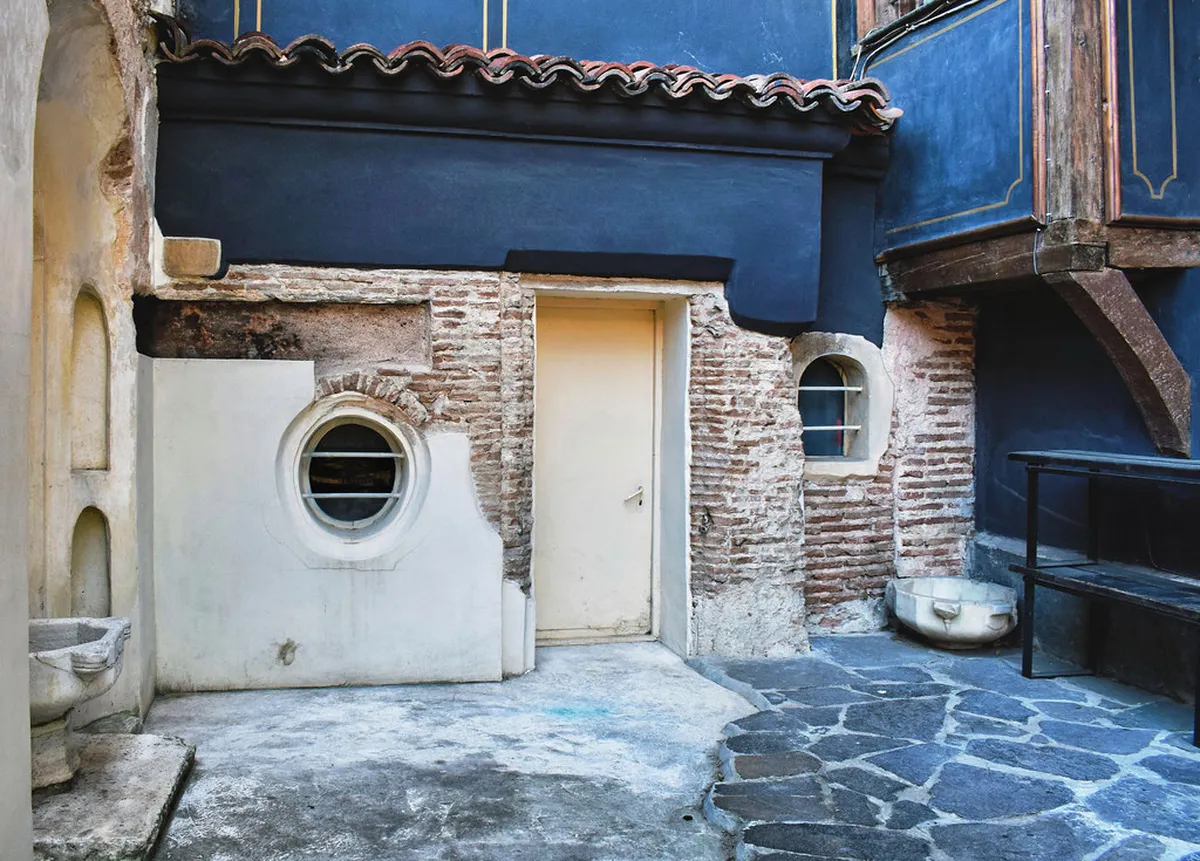
Wander through the narrow, cobblestone streets. You will find unexpected courtyards. Look for small art galleries and workshops. These hidden gems add to the charm. Old Town Plovdiv historical facts are around every corner.
Frequently Asked Questions
What is the oldest part of Plovdiv, Bulgaria?
The oldest part of Plovdiv is Nebet Tepe. This hill holds Thracian settlement remains. Archeologists found evidence dating back to 4000 BC. It is considered one of Europe's oldest continually inhabited spots.
Which ancient empires influenced Old Town Plovdiv?
Old Town Plovdiv was shaped by several ancient empires. The Thracians were the earliest inhabitants. Later, the Roman Empire established Trimontium. The Byzantine Empire and Ottoman Empire also ruled here. Their combined legacies are visible throughout the city. The most beautiful streets in Plovdiv reflect this diverse heritage.
Can I explore Old Town Plovdiv's historical sites independently?
Yes, you can easily explore Old Town Plovdiv independently. Many sites are free to enter. Others have small admission fees. Maps are available locally. You can also join a guided walking tour. Exploring on your own offers flexibility.
Old Town Plovdiv offers a compelling historical journey. From Roman grandeur to Revival charm, its past is rich. Every corner reveals another layer of history. Plan your 2025 visit to experience it firsthand. Discover these fascinating Old Town Plovdiv historical facts yourself.
Key Takeaways
- Explore the Roman Theatre and Stadium for ancient history.
- Admire vibrant Bulgarian Revival houses and their unique architecture.
- Visit Nebet Tepe for the oldest Thracian ruins and panoramic views.